ClearHeal
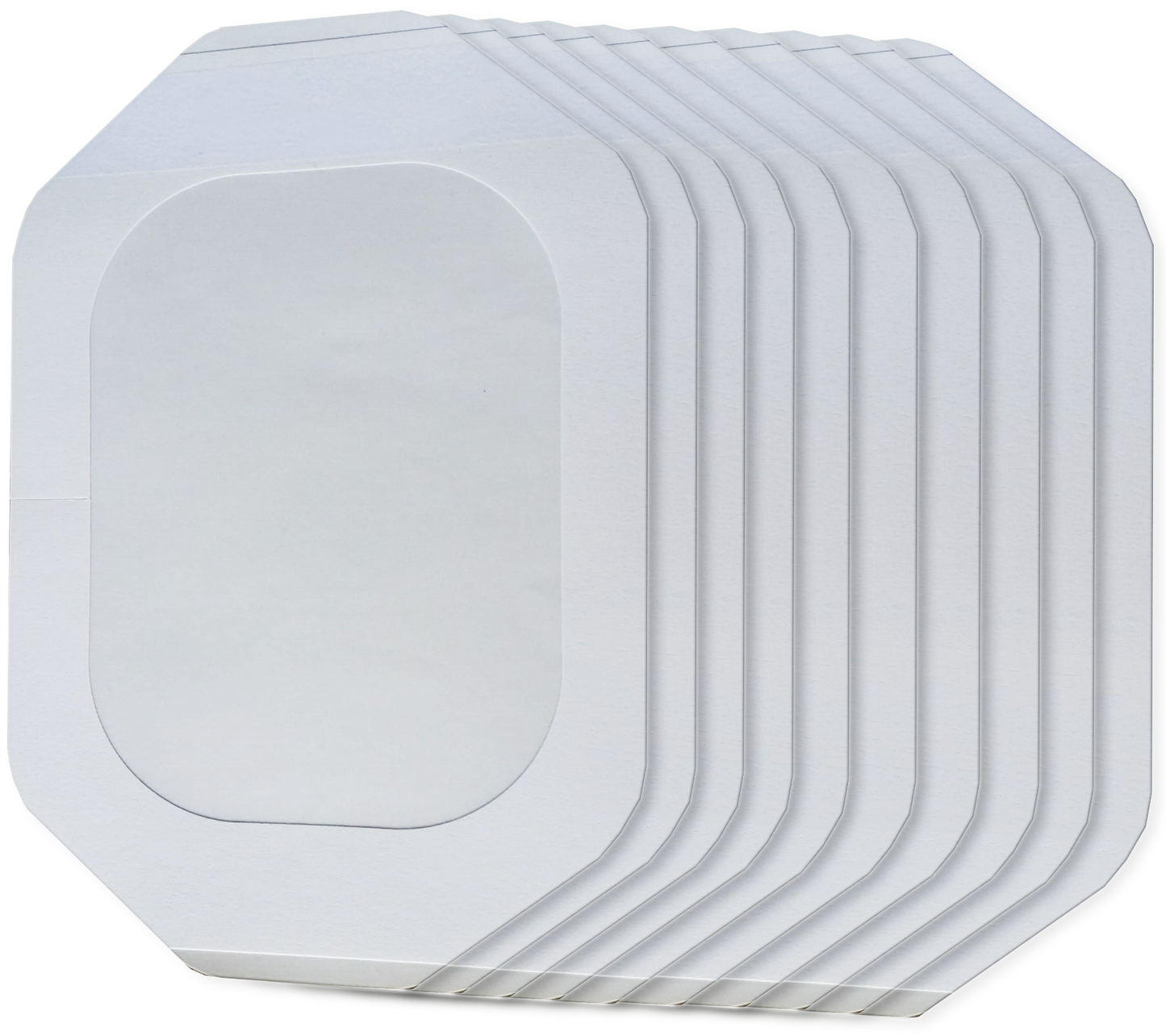
Waterproof Plaster Transparent Adhesive Bandages 10cm x 12cm x 10pcs Film Dressings
Waterproof Plaster Transparent Adhesive Bandages 10cm x 12cm x 10pcs Film Dressings
Couldn't load pickup availability
- ClearHeal clear film adhesive bandage with non adherent island dressing provides a clear, protective barrier between your wound, burn or HRT patch and external contaminants during the healing process.
- The waterproof bandage is worn for the duration of the wound healing process and creates an ideal healing environment whilst absorbing any blood or liquids into the non adherent island dressing.
- Easy application of the breathable film by peeling off adhesive backing, positioning the window over the site, applying to area and then removing window edging.
- The sealed edges mean that no blood or liquid can leak from the area, protecting bedding and clothing from stains, in addition to the absorbent properties of the non adherent island dressing.
- They are ideal for use as a waterproof dressing for swimming and showering, cesarian c section scars or as a HRT patch cover.
- The plasters are 10cm x 12cm in area, here are 10x plasters in a pack.
- Hypoallergenic
Easy Application with Peel Away Window and Large 10cm x 12cm Surface Area
The peel away white paper window helps the bandage to hold shape during application and acts as a guide to ensure that the wound site is completely sealed, just position the bandage so that it is inside the border edges before smoothing from the inside outwards.
The window can then be peeled away, taking care to peel diagonally away from the centre and smoothing down as you peel.
The 10cm x 12cm plaster size provides a large surface area to completely cover the site.
Waterproof
Waterproof bandages provide extra protection to wound sites, keeping external contaminants and moisture out while allowing the wearer to engage in activities like exercise, bathing, and swimming without interruption. Not only do they prevent leakage, but they also create a barrier against water and bacteria, reducing the risk of infection. Additionally, waterproof bandages are more durable and can stay in place for longer periods of time compared to regular bandages. This can be especially beneficial for individuals with active lifestyles or for wounds that require extended protection.
Can you afford to take a chance with your health?
Postoperative wound infections are a major concern in the healthcare industry, as they can result in prolonged hospital stays, increased healthcare costs, and decreased patient satisfaction. The type of bandage used to cover the wound can play a significant role in reducing the risk of infection.
- · Studies have shown that using waterproof bandages significantly reduces the risk of postoperative wound infections.
- · The impermeable barrier provided by these bandages prevents bacteria and other pathogens from entering the wound, reducing the risk of infection.
- · Additionally, waterproof bandages are less likely to come off or become dislodged during normal daily activities, providing greater protection for the wound.
On the other hand, standard bandages are not as effective in preventing postoperative wound infections.
- · These bandages can become wet or soiled, increasing the risk of infection.
- · They are also more likely to become dislodged or come off, exposing the wound to outside contaminants.
Overall, it is recommended that postoperative patients use waterproof bandages to protect their wounds and reduce the risk of infection.
This will not only improve the healing process and reduce the likelihood of complications, but it will also decrease healthcare costs and improve patient satisfaction.
In conclusion, using waterproof bandages for postoperative wound care has been shown to be an effective means of reducing the risk of infections. While standard bandages may be less expensive, they are not as effective in preventing infections, and the costs of treating an infected wound can be much higher in the long run.
Share