ClearHeal
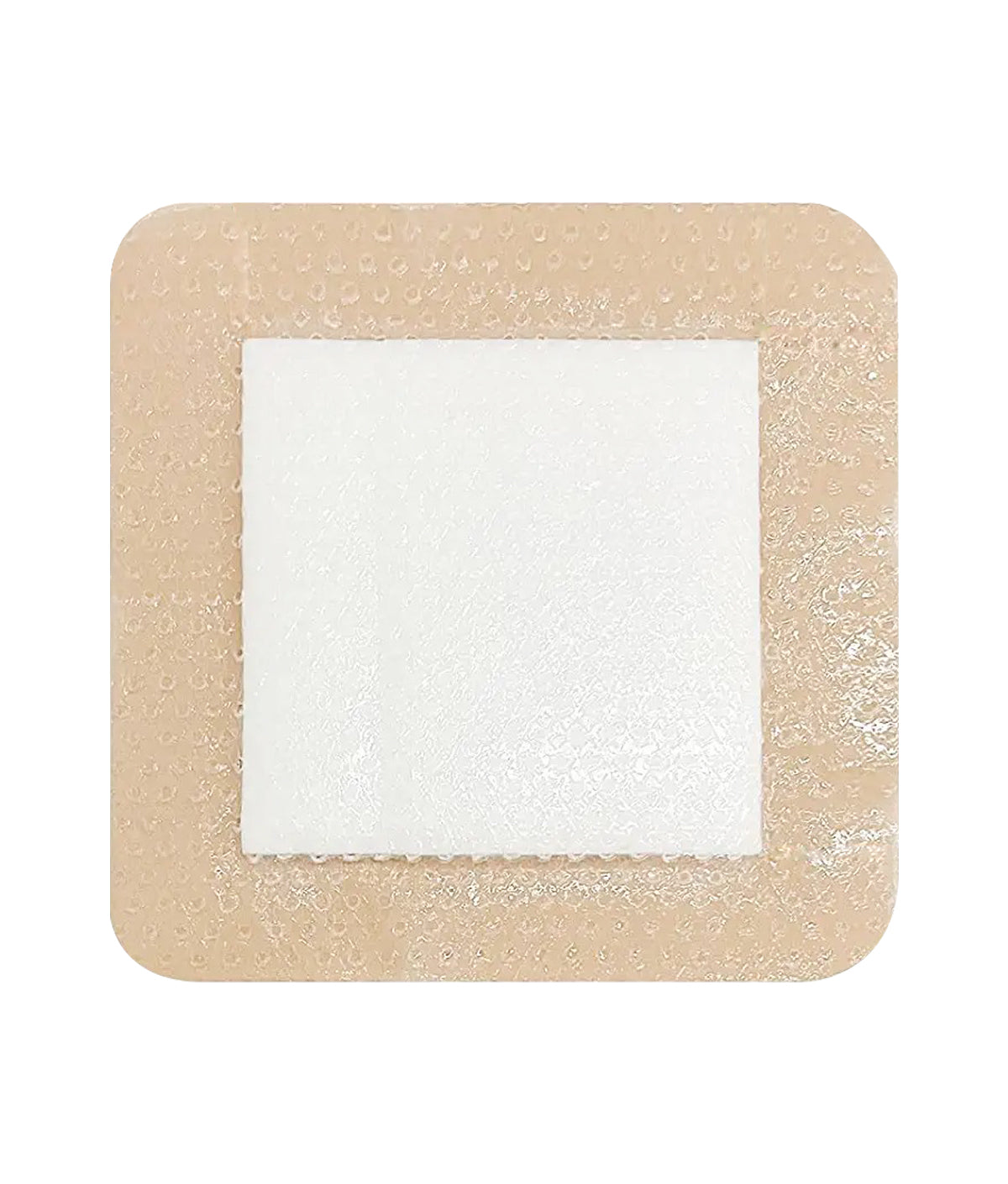
Silicone Foam Adhesive Dressing - Sterile, 10x10cm, Box of 5, Highly Absorbent & Waterproof - Post-Surgery, Pressure Ulcers, Diabetic Wounds, Burns
Silicone Foam Adhesive Dressing - Sterile, 10x10cm, Box of 5, Highly Absorbent & Waterproof - Post-Surgery, Pressure Ulcers, Diabetic Wounds, Burns
Couldn't load pickup availability
- Shower, swim and exercise freely - the waterproof outer layer keeps your wound fully sealed against water, sweat and bacteria. No leaking edges, no lifting corners, no dressing changes mid-day.
- Pain-free removal every time - the soft silicone contact layer grips surrounding skin without sticking to the wound itself. Dressing changes are gentle enough for sensitive skin, elderly patients and children.
- Manages wound fluid without drying out the wound - the high-absorbency foam core draws exudate away from the wound bed and locks it in, maintaining the moist environment needed for faster healing. Suitable for post-surgery wounds, pressure ulcers, diabetic foot wounds, leg ulcers and burns.
- Stays in place for days, not hours - secure silicone adhesion border holds even during movement and bathing. Reduces the number of dressing changes needed, saving time and discomfort. Save up to 15% with Subscribe & Save.
- Sterile, CE certified, individually wrapped - box of 5, 10x10cm - each dressing is sterile-packed and ready to use. Latex free, hypoallergenic. Compliant with EU Medical Device Regulations. Suitable for home use and professional healthcare settings.
Postoperative wound infections are a significant concern in healthcare, leading to extended hospital stays, increased costs, and reduced patient satisfaction. The choice of bandage is crucial in minimizing the risk of infection.
Research indicates that using silicone foam absorbent bandages can effectively reduce the risk of postoperative wound infections. These bandages provide an absorbent layer that manages wound exudate while maintaining a protective barrier against bacteria and other pathogens. This dual function helps keep the wound environment clean and less prone to infection.
Furthermore, silicone foam bandages are designed to stay securely in place, even during daily activities, which enhances wound protection. Unlike standard bandages, which can become wet, soiled, or dislodged, silicone foam bandages are better at maintaining their integrity, offering consistent protection throughout the healing process.
Standard bandages often fall short in infection prevention, as they may not effectively manage wound moisture or provide a sufficient barrier against contaminants. They also have a higher likelihood of becoming dislodged, increasing the risk of exposure to harmful bacteria.
In contrast, silicone foam absorbent bandages not only promote a safer healing process but also contribute to lower healthcare costs and higher patient satisfaction by reducing the likelihood of complications.
- Silicone Foam Dressings in Wound Care: Research has shown that silicone foam dressings are effective in managing exudate and maintaining a moist wound environment, which is crucial for reducing the risk of infection. They also offer gentle adhesion, minimizing trauma to the wound and surrounding skin during dressing changes, which can further reduce infection risks (Woo, K. Y., & Sibbald, R. G., 2010, Advances in Skin & Wound Care).
- Infection Control and Moisture Management: A study published in the Journal of Wound Care highlighted that foam dressings, including those made of silicone, are beneficial in controlling wound exudate and creating a barrier to bacteria, thus lowering the risk of postoperative wound infections (White, R., 2008, Journal of Wound Care).
- Comparative Studies on Dressing Types: Comparative studies have shown that advanced wound dressings, such as silicone foam, are more effective than standard gauze or simple bandages in preventing wound infection, particularly in surgical sites. These dressings offer better exudate management and reduce the need for frequent changes, which can reduce the introduction of contaminants (Romanelli, M., Vowden, K., & Weir, D., 2010, Wounds).
Share